About Ibrahima NDIAYE

Ibrahima Ndiaye is an expert in enterprise architecture, renowned for his ability to structure and guide IT strategy in complex environments. After serving as Head of Enterprise Architecture at Engie France Retail, he continued his career as a Senior Enterprise Architect at Power Cloud, a software company specializing in the energy sector. He also held roles at Teradata, a leading player in data and AI. For over 18 months, he has been bringing his expertise to RATP, where he actively contributes to shaping and optimizing the IT strategy. A well-regarded speaker, Ibrahima regularly speaks at top-tier conferences such as API Days, where he shares insights on enterprise architecture and today’s digital challenges.
The master plan to be thrown into oblivion ?
“I’ve been working in the IT world for over 20 years. I built my expertise with several major players in the industry and energy sectors most notably at Engie, where I served as Chief Enterprise Architect in one of the group’s subsidiaries. For the past few years, I’ve been working at RATP, within the enterprise architecture division. Over time, I’ve noticed that the term ‘IT Master Plan’ has almost become taboo a phrase that makes people roll their eyes faster than a presentation on ‘ITIL Best Practices.”
Today, we love to talk about “Agile at Scale,” “GenAI,” and “Move to Cloud.” It’s the ultimate buzzword bingo! But the moment an architect dares to mention an “IT Master Plan,” it’s like we’re thrown straight back to the mid-90s, ready to pull out an old 87-page IT urbanization plan.
Not very hype, is it? As a result, many architects and IT leaders eager to look modern carefully avoid even bringing it up.
So, is the IT Master Plan a totally outdated concept, or on the contrary, a cornerstone for a truly ambitious IT strategy?
That’s the question I’ve been asking myself, and I’ve decided to dig into it, drawing on my own observations and those of my peers.
The IT master plan: A tool to reinvent, not to bury
You can criticize the IT Master Plan all you want: too long, too theoretical, disconnected from reality… OK, I’ve heard it a thousand times. But before dismissing it with a wave of the hand, let’s remember that the problem isn’t the tool itself it’s how we use it. Kind of like a GPS: if you never update it, don’t be surprised if you end up in a dead end.
It’s true that in its classic form, the IT Master Plan feels outdated. But instead of tossing it into the “IT relics” drawer, why not rethink it? Less fluff, more agility. Fewer dense reports, more short, accessible formats understandable to everyone, from tech teams to executives.
It’s the kind of tool that should speak to everyone like a good startup pitch.
Time to change the vocabulary : Farewell to the “Master plan”, welcome to the “IT roadmap”
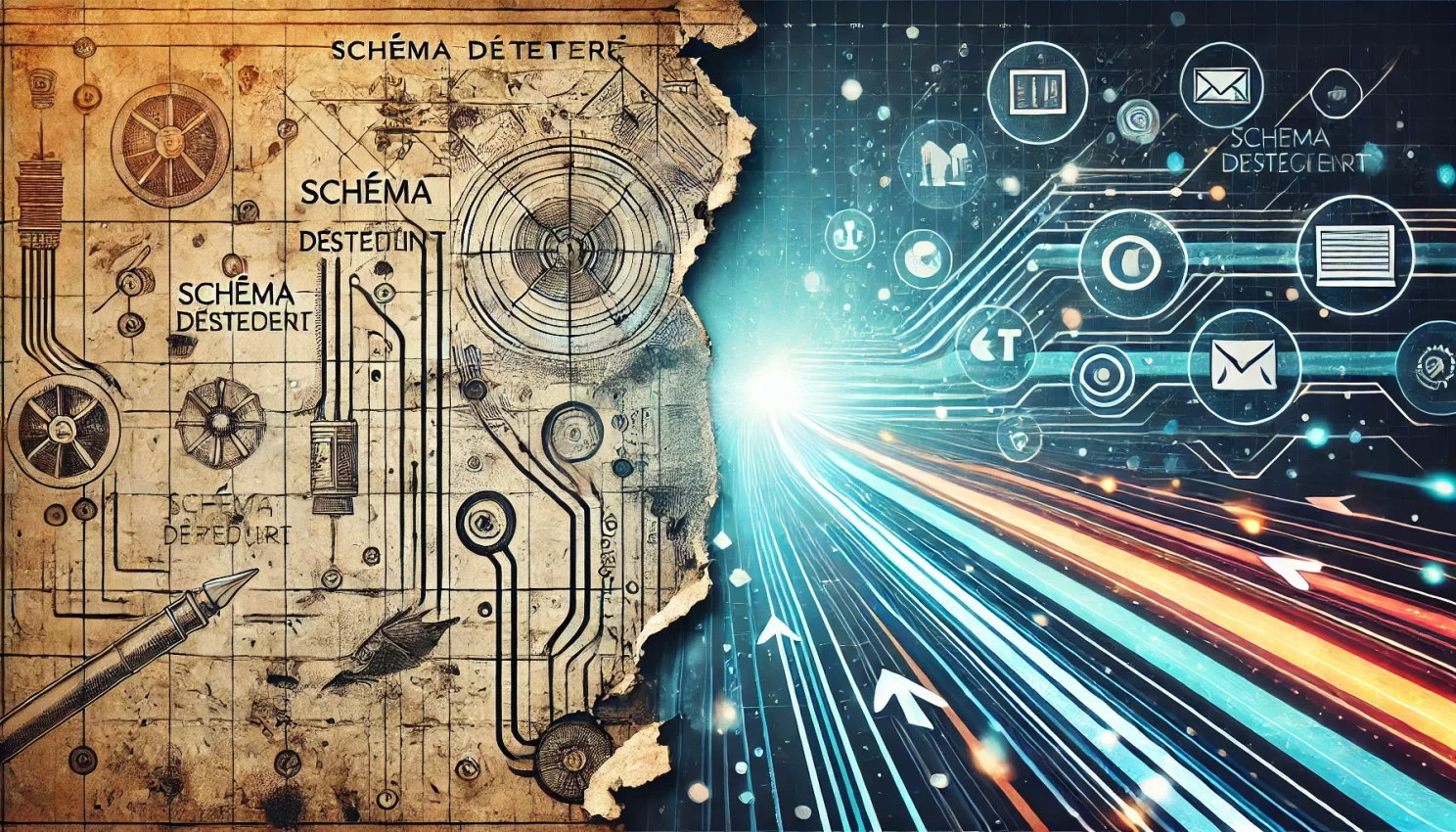
Too much analysis kills action
One recurring trap I often see is the obsession with analyzing the existing IT landscape. We love getting lost in the maze of IT inventories. It’s essential, of course but when analysis becomes an end in itself, that’s when we start to stall. Technology evolves at lightning speed, and by constantly dissecting the past, we end up forgetting to look ahead.
I firmly believe it’s better to focus on a quick and simple overview of the current state one that’s action-oriented and geared toward quick wins. A solid push on the accelerator, rather than a hefty driving manual that ends up gathering dust on a shelf.

Components to keep, create, reduce, eliminate...
- To keep ✅ : The strategic links with the company’s business objectives. The IT Master Plan must always serve as a guide to align IT initiatives with the overall strategy. Also worth keeping: clear target visions ones that offer a structured, understandable roadmap with a clear distinction between the current state and the future goals of the IT system.
- To create 💡: It’s time to introduce continuous performance indicators to track the IT system’s progress in real time against its objectives. The Master Plan should become more iterative, with regular checkpoints and frequent adjustments to keep pace with a constantly shifting environment. We also need to develop dynamic, easily accessible, and understandable maps that make tech decisions more tangible for all stakeholders.
- To reduce 📈 : The obsession with analyzing the current state. We spend far too much time dissecting the existing system. The result? Recommendations come too late. It’s better to cut down this phase and focus on fast, concrete actions. Long impact studies that paralyze execution need to go.
- To eliminate ❌ : Rigid IT urbanization plans that give a false sense of control but offer no flexibility in the face of technological shifts. Also gone: 100-page documents no one will ever read. In a world where decisions move faster than ever, we need concise, interactive plans that are clear and usable by everyone not bloated, unreadable reports.
To simplify without compromising the message
For me, presenting an IT transformation plan should never feel like a bureaucratic exercise. This document needs to be alive, constantly evolving, regularly reassessed. There’s no room for static maps or dusty diagrams that merely give the illusion of a job well done. A real transformation plan is a dynamic compass, a living guide that moves with the company’s reality.
And yes, that means taking risks proposing bold, engaging targets that remain adaptable. In a world that shifts by the minute, a fixed target is destined for the scrap heap.
A constantly evolving plan : no more static documents
For me, delivering an IT transformation plan should never feel like a bureaucratic exercise. This document needs to be alive, constantly evolving, and regularly reassessed. There’s no room for static maps or dusty diagrams that merely give the illusion of work well done. A real transformation plan is a dynamic compass, an active guide that moves with the realities of the business.
And yes, that means “taking risks” proposing targets that are both ambitious and adaptable. In a world that changes by the minute, a fixed target is headed straight for the scrapyard.
Conclusion: The IT master plan, a living compass for navigating uncharted territory
No, the IT Master Plan isn’t dead, it’s being reinvented. It must reflect the companies it serves: flexible, evolving, and action-oriented. We, as architects, must step up, dare to bring forward concrete, adaptable proposals. In this rapidly changing digital ecosystem, the era of rigid plans is over. What we need today is a living compass one that not only shows the direction, but adjusts in real time to storms and uncertainty.
Want to talk Master Plans or IT strategy with me ? Book a meeting and let’s discuss how to turn your ideas into real, actionable steps.